"We're already on Facebook and Instagram, so why do we need a website?" It's a question I hear all the time. The short answer? You don't own your social media—but you do own your website.
The Fundamental Problem with Social Media
Let me start by saying: social media is brilliant. Facebook, Instagram, LinkedIn, TikTok—they're all powerful tools for reaching customers and building community. But there's one critical issue that many business owners overlook:
You don't own your social media presence.
Meta (Facebook and Instagram), LinkedIn, and every other platform own your account. They own your content. They own your followers. And they can change the rules—or shut you down—at any time.
I've seen businesses lose access to accounts with thousands of followers. Sometimes it's a hack. Sometimes it's a mistaken policy violation. Sometimes the platform just decides to lock the account and there's no one to appeal to. Years of content, customer relationships, and brand building can disappear overnight.
You're Building on Rented Land
Think of social media like renting a shop in a shopping centre. It's a great location with lots of foot traffic, but:
- The landlord (the platform) can change the rent at any time
- They can move your shop to a less visible location
- They can change the shopping centre rules without consulting you
- They can evict you if they want to
- When customers visit, they're still in the landlord's building—surrounded by competitors
Your website, on the other hand, is like owning your own building. You make the rules. You control the experience. And no one can take it away from you.
The Algorithm Problem
Here's something that frustrates every business owner: you spend time and effort building a following on Facebook or Instagram, but when you post something, only a tiny fraction of your followers actually see it.
This isn't an accident. Social media platforms want you to pay to reach your own audience. Organic reach has been declining for years:
- Facebook organic reach for business pages is now around 5-6%
- Instagram engagement rates continue to drop
- LinkedIn prioritises certain types of content over others
With your website, everyone who visits sees exactly what you want them to see. No algorithm decides whether your message gets through. No need to "boost" a post to reach people who already chose to follow you.
Professional Credibility
When potential customers are researching businesses, they expect to find a website. It's that simple.
A Facebook page or Instagram profile is fine for staying connected, but when someone is making a serious buying decision—whether it's hiring a contractor, choosing a restaurant for a special occasion, or selecting a service provider—they want to see a proper website.
Why? Because a website demonstrates:
- Permanence: You're invested in your business long-term
- Professionalism: You take your business seriously
- Legitimacy: You're a real, established business
- Commitment: You've made the investment to do things properly
Think about it: would you trust a business with a £10,000 project if all they have is a Facebook page?
Control Your Customer Journey
On social media, you're constantly fighting for attention. Users are scrolling through feeds full of cat videos, family photos, and your competitors' posts. The environment is designed to keep people scrolling, not to help them make buying decisions.
On your website, you control the entire experience:
- You decide what visitors see first
- You can guide them step-by-step through your services
- You can remove distractions and focus on conversion
- You can create specific pages for different customer types
- You can optimise for search engines
Your website is where you convert interest into business. Social media is where you generate that interest and drive traffic to your website.
Search Engine Visibility
Here's a critical point: social media profiles don't rank well in Google for most business-related searches. Your website does.
When someone searches for "painter in Belfast" or "web designer Northern Ireland," Google shows websites, not Facebook pages. If you want to be found when potential customers are actively searching for your services, you need a website.
Plus, you can create multiple pages targeting different services, locations, and customer needs. Try doing that with a Facebook page—it's impossible.
Data and Analytics
With your website, you can see exactly:
- Who's visiting and from where
- What pages they're looking at
- How long they stay
- What makes them contact you
- Where visitors are dropping off
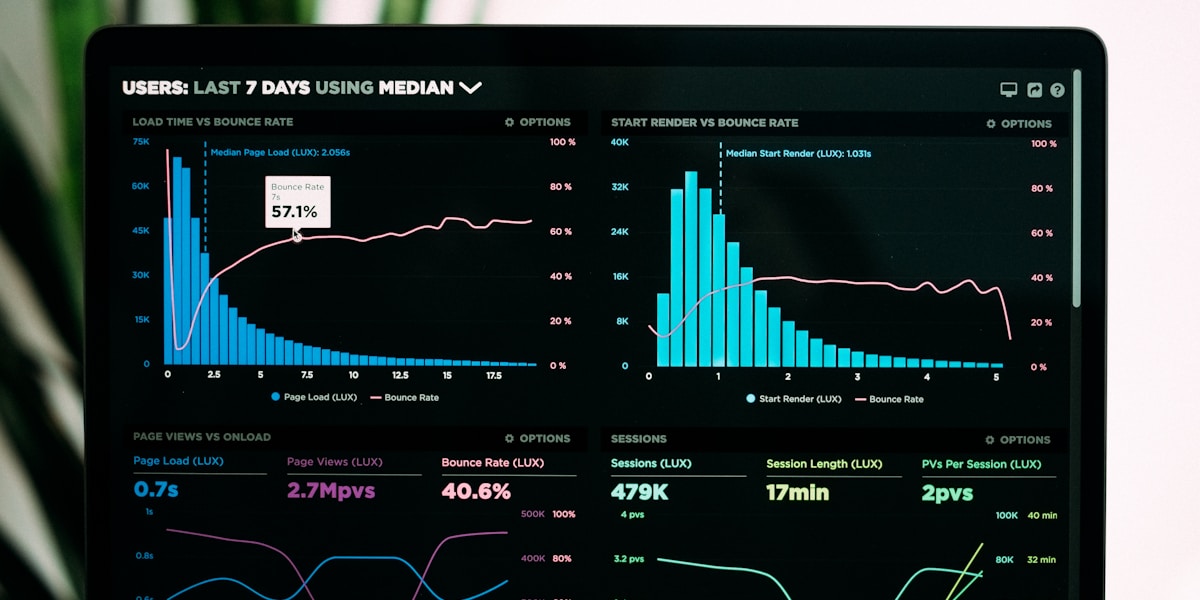
This data is invaluable for improving your marketing and understanding your customers. Social media platforms give you basic metrics, but nothing compared to the detailed insights you get from your own website.
So What's Social Media Good For?
Don't get me wrong—social media absolutely has its place. Here's where it shines:
Building Community and Engagement
Social media is excellent for building relationships, answering questions, and staying top-of-mind with your audience. It's where you can be personable, share behind-the-scenes content, and interact directly with customers.
Driving Traffic to Your Website
Every social media post should have a purpose: get people to your website. Share a project photo and link to your portfolio. Mention a new service and link to the relevant page. Run a special offer and link to your contact form.
Social Proof and Reviews
Reviews and testimonials on social media are valuable. But guess what? You can (and should) feature those reviews on your website too, where you control how they're displayed.
Paid Advertising
Facebook and Instagram ads can be effective for reaching new customers—but where should those ads send people? To your website, where you can properly convert them into customers.
The Right Strategy: Website-First
Here's the approach that works:
- Build a professional website first - This is your foundation
- Use social media to drive traffic - Share content that links back to your site
- Collect email addresses - Build a list you own (unlike social media followers)
- Create content on your website - Blog posts, case studies, portfolio items
- Share that content on social media - With links back to your website
Your website is the hub. Social media channels are the spokes that drive traffic to that hub.
What If You Can Only Do One?
If you're just starting out and can only invest in one thing right now, choose the website. Here's why:
You can create social media profiles for free anytime. But building a professional website takes more time and investment—and the sooner you start building your website's authority with Google, the better.
Plus, you can always link to your website from your social media profiles, but you can't fully showcase your business through social media alone.
The Bottom Line
Social media and websites aren't competitors—they're complementary. But if you had to choose one as your foundation, it should always be your website. You own it, you control it, and no algorithm or platform policy can take it away from you.
The most successful businesses use both strategically: a professional website as their digital home base, and social media as tools to build community and drive traffic to that website.
Don't build your entire business on rented land. Invest in your own digital property—a website that works for you 24/7, that you control completely, and that will grow in value over time.